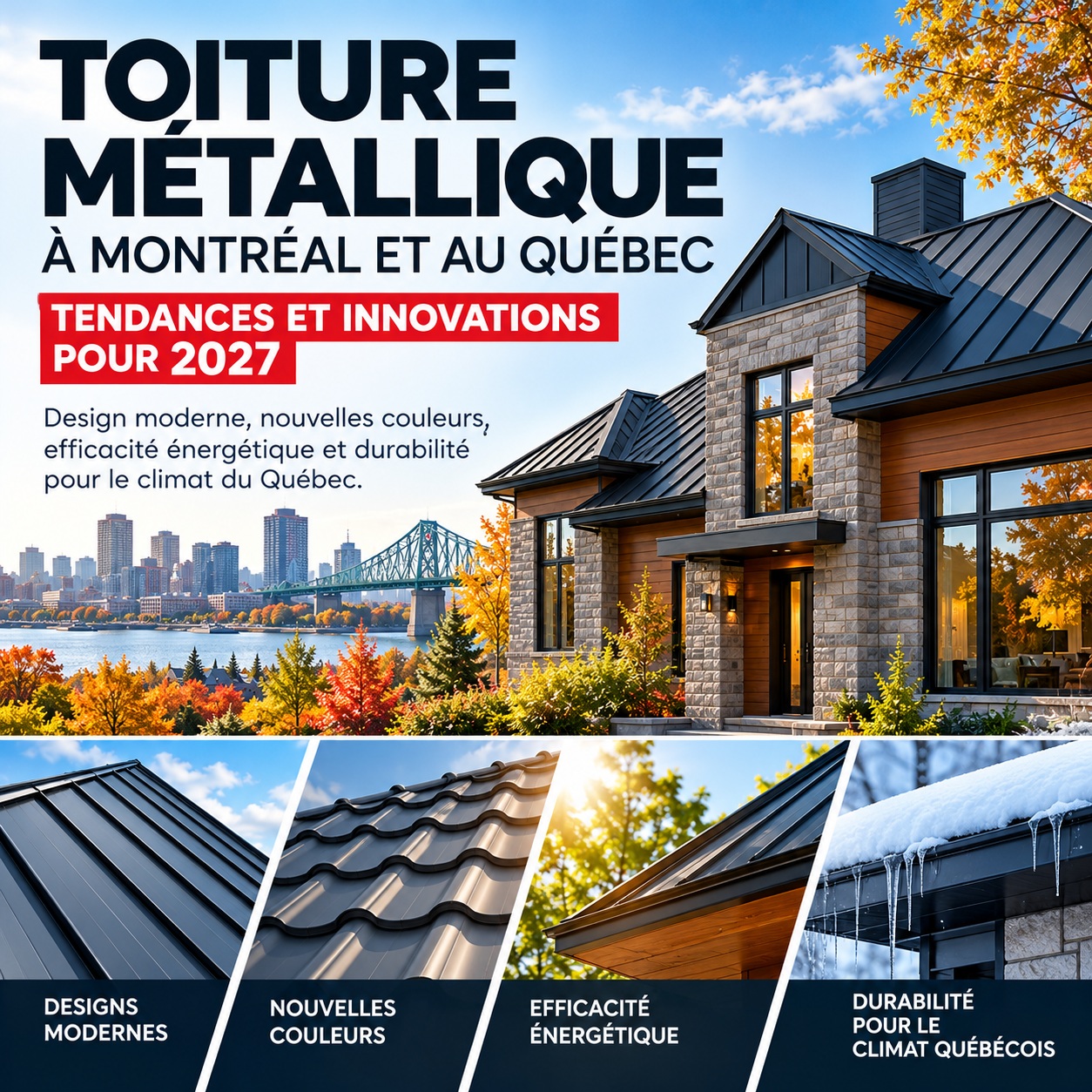
The Rise of Smart Metal Roofs in 2025
Exploring the Integration of IoT and Smart Technology in
Modern Metal Roofing
As we move toward 2025, advancements in technology are transforming industries across the board, and roofing is no exception. Metal roofing, already known for its durability and energy efficiency, is now at the forefront of a new technological revolution. The integration of smart technology and the Internet of Things (IoT) is reshaping the way metal roofs function, adding new levels of convenience, sustainability, and energy management.

1. Smart Metal Roofs and Energy Efficiency
One of the key areas where smart technology is enhancing metal roofing is in energy efficiency. Smart roofs are designed to monitor energy usage and can adapt to environmental conditions in real-time. For example, advanced sensors embedded in the metal roofing panels can detect changes in temperature, humidity, and solar radiation, adjusting energy consumption to optimize performance.
One notable application is the integration of “cool roofing” technology, where roofs are equipped with coatings that reflect sunlight, reducing heat absorption and lowering cooling costs. When combined with smart thermostats and energy management systems, homeowners can track and optimize their energy use, leading to significant savings on utility bills.
Smart metal roofs also have the ability to interact with home automation systems, enabling homeowners to control heating, cooling, and ventilation settings based on real-time weather conditions. In regions that experience extreme temperatures, this level of control and responsiveness ensures optimal comfort and lower energy consumption throughout the year.
2. Solar Panels and Renewable Energy Integration
Another breakthrough in smart metal roofing is the seamless integration of solar panels and renewable energy systems. As solar technology continues to evolve, the combination of metal roofs and solar panels is becoming more efficient and cost-effective. Metal roofs are ideal for solar installations due to their long lifespan and ability to support the weight of solar panels.
In 2025, smart metal roofs will take solar integration to the next level. Advanced IoT systems can now manage energy production and storage, allowing homeowners to track solar energy generation in real-time, store excess energy in battery systems, and even sell surplus energy back to the grid. This smart energy management transforms homes into miniature power stations, significantly reducing their carbon footprint and energy costs.
Moreover, manufacturers are developing metal roofing panels that come pre-integrated with solar cells, eliminating the need for bulky panels and making solar installation even more aesthetically pleasing. These solar-integrated metal roofs not only blend seamlessly with the home’s architecture but also provide reliable renewable energy for decades.
3. Real-Time Monitoring and Maintenance
One of the most exciting innovations in smart metal roofing is the ability to monitor roof conditions in real-time. IoT-enabled sensors can track factors like water infiltration, temperature fluctuations, and structural integrity, notifying homeowners and contractors of potential issues before they escalate.
For example, if a storm damages a section of the roof or leads to water leakage, smart sensors can immediately detect the problem and send alerts to the homeowner’s smartphone or even directly to a roofing contractor. This type of proactive maintenance system can prevent costly repairs down the road, extend the roof’s lifespan, and offer peace of mind for property owners.
By 2025, we will also see the rise of predictive maintenance technology in metal roofing. Predictive algorithms analyze data collected from IoT sensors and identify patterns, allowing homeowners to predict when specific parts of the roof may require maintenance. This technology reduces the need for regular manual inspections and ensures that minor issues are addressed before they become major problems.
4. Climate Adaptation and Weather Resilience
As climate change brings more unpredictable weather patterns, smart metal roofs are evolving to become more resilient. IoT sensors integrated into the roof can monitor extreme weather conditions such as hail, high winds, or heavy snow and adapt accordingly. For instance, in cold climates, heating elements can be embedded in the metal panels to prevent snow and ice buildup, reducing the risk of damage and maintaining the roof’s integrity during harsh winter storms
In hurricane-prone regions, smart metal roofs are designed to withstand strong winds and debris impact. The integration of IoT technology allows for real-time monitoring of wind speeds and the roof’s structural response, providing homeowners with immediate feedback on the roof’s condition during and after severe weather events.
Additionally, smart roofing technology can be connected to emergency alert systems, notifying homeowners when certain weather conditions are likely to cause damage to the roof. This allows them to take precautionary measures, such as retracting solar panels or activating heating elements.
5. Sustainability Meets Smart Technology
Sustainability is a major driver behind the development of smart metal roofs. The combination of recycled materials, energy-efficient coatings, and IoT integration creates roofing solutions that are not only eco-friendly but also highly efficient in energy management. Metal roofing already has one of the longest lifespans of any roofing material, and smart technology further enhances its environmental impact by reducing energy consumption, minimizing waste, and lowering the need for repairs.
As the construction industry continues to prioritize green building standards and environmental certifications, smart metal roofs are increasingly being recognized for their contributions to sustainable architecture. In 2025, it is expected that more homeowners and developers will opt for these advanced roofing systems to meet their sustainability goals and reduce their carbon footprint.
The Future of Roofing is Smart
As we look ahead to 2025, the rise of smart metal roofs represents a significant leap forward in roofing technology. The integration of IoT, smart energy management, and real-time monitoring systems is revolutionizing how we think about roofing, offering homeowners unparalleled control, efficiency, and durability. Whether it’s optimizing energy use, integrating solar panels, or proactively maintaining roof integrity, smart metal roofs are paving the way for a more sustainable and technologically advanced future.